


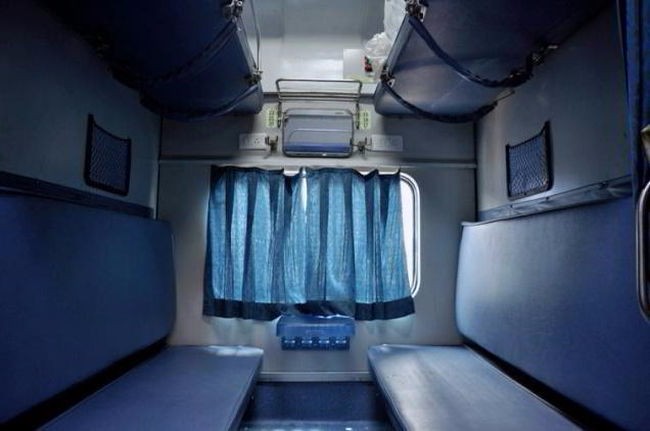
If you’ve ever checked a PNR status and spotted “NOSB” sitting where a coach and berth number should be, you’ve probably paused for a second wondering if something went wrong with the booking. It hasn’t. NOSB is one of the more misunderstood codes on an Indian Railways ticket, mostly because nobody really explains it at the time of booking.
NOSB full form and what it actually means
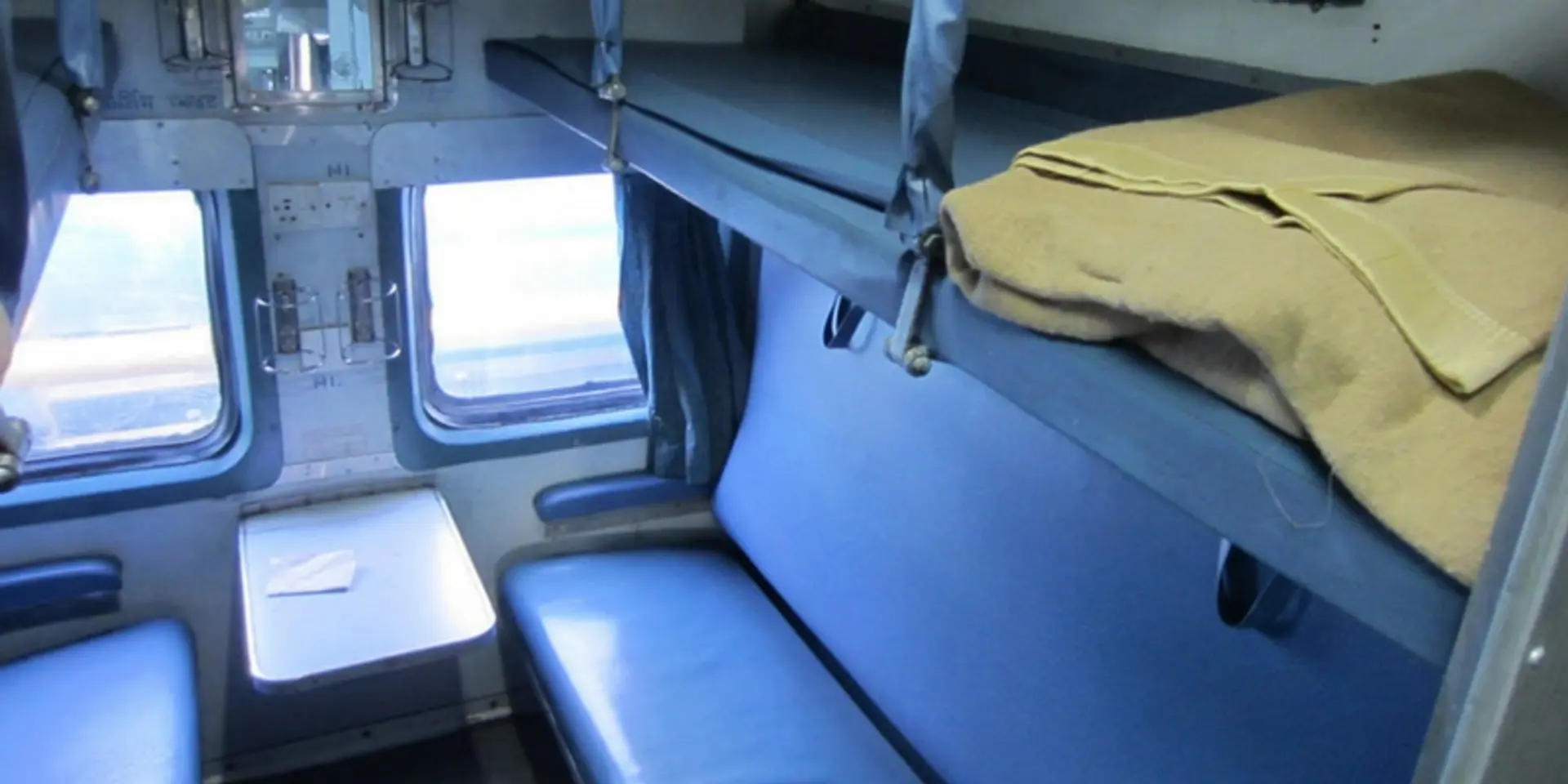
NOSB stands for No Seat Berth. In simple terms, it shows up when a child has been added to a booking without a separate berth being reserved for them. The child is still a valid, ticketed passenger , they just don’t get an independent seat and instead travel alongside the accompanying adult.
This option exists specifically for children, generally in the roughly 5-to-under-12 age bracket, who are old enough to need a ticket but young enough that a full berth isn’t really necessary for a shorter or overnight trip. When you add a child’s age during booking, IRCTC gives you the choice between paying full fare for a proper berth, or opting for the half-fare NOSB option instead. Choosing the second one is what generates that NOSB status on the child’s part of the PNR.
NOSB railway status: how it behaves differently from other codes
This is where a lot of confusion happens. People sometimes assume NOSB works like a waitlist status that might convert into a confirmed berth closer to the travel date. It doesn’t. Chart preparation has no effect on an NOSB entry it isn’t pending, and it isn’t broken. It stays exactly as it was booked, right up to departure.
The NOSB ticket is also linked to the parent or guardian’s PNR rather than issued as a separate one. That link matters in a couple of ways: a child can’t travel alone on an NOSB ticket, since it requires an accompanying adult on the same PNR, and if the parent’s ticket gets cancelled, the linked NOSB ticket for the child is cancelled automatically as well.
It’s also worth knowing that NOSB isn’t available across every class. Chair Car, Executive Class, Second Sitting and Vistadome-type seating classes generally don’t allow this option, since those coaches don’t have the kind of shared-berth arrangement that makes NOSB possible in Sleeper or AC classes.
What you should do if you see NOSB meaning in IRCTC on your ticket
First, don’t panic it isn’t an error. If the NOSB status matches what you selected at booking (a child sharing your berth), there’s nothing further to do. Just board as usual, and the child will travel with you on your allotted berth.
If your plans have changed and the child now needs an independent seat, say a longer overnight journey feels tighter than expected, the existing NOSB ticket has to be cancelled first, and a fresh full-fare ticket booked in its place. That new booking then goes into the regular confirmed, RAC, or waitlist queue depending on what’s available at the time, so it’s worth doing this well before your travel date rather than at the last minute.
A quick tip for families travelling with kids
Journeys with young children usually come with one recurring hassle – food. Since NOSB travel is common on shorter or overnight family trips, it helps to sort meals in advance rather than depending on station stalls. Platforms like Zoop, an IRCTC e-catering partner, let you order food using just your PNR and have it delivered to your seat at an upcoming station, which can ease the stress of rushing off the train to grab a meal with kids in tow.

Once you know what NOSB actually stands for, it stops being a confusing code on your ticket and becomes a practical, cost-saving option for family travel.